

In the Pursuit of Knowledge
A reflection on the finite life of the knower against the seemingly unbounded horizon of knowledge, and on what it means to keep learning and speaking in the face of that tension.
I’m Sayed Hamid Fatimi, a software developer by craft, a philosopher by calling, and a lifelong student of truth. With roots in physics and a love for clean, expressive code, I build in JavaScript, TypeScript, React, and Next.js—tools that let ideas take shape in the digital world. Beyond the syntax and structure lies a deeper pursuit. I write to explore the foundations of thought, reason, and reality. My books, The Philosophy of Reason and The Philosophy of Truth, are part of an ongoing journey—an attempt to weave clarity from complexity, and meaning from mystery. This space is where code meets contemplation. You’re welcome to walk the path with me at valeon.blog.
A reflection on the finite life of the knower against the seemingly unbounded horizon of knowledge, and on what it means to keep learning and speaking in the face of that tension.

An exploration of how mentality, self-confidence, and the willingness to cut the internal rope of restraint shapes our actions and the reality we come to inhabit.
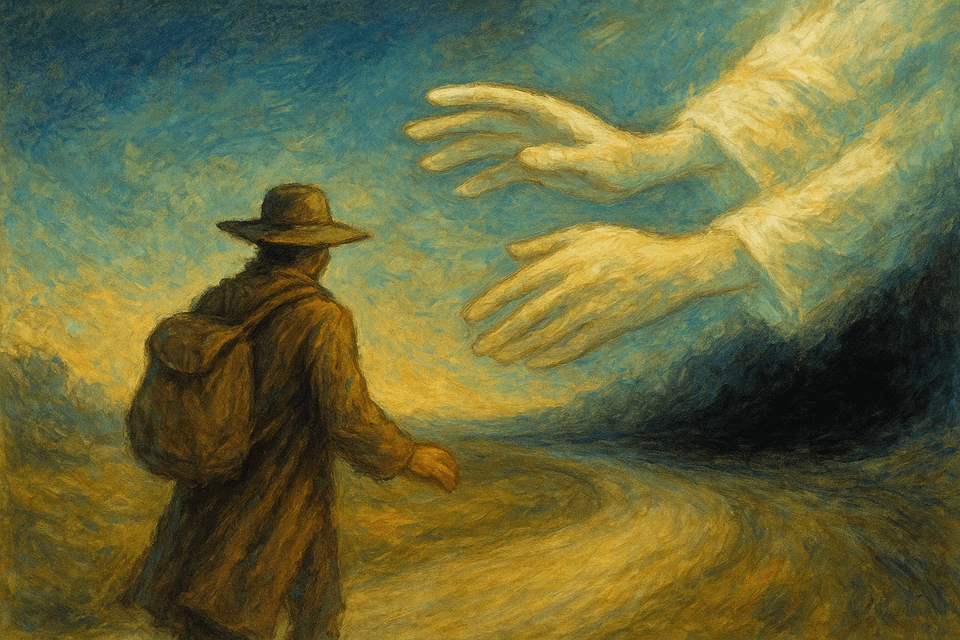
A meditation on divine protection, destiny, and the quiet moment when mercy steps aside and leaves us to meet the consequences we have chosen.

Reflections from late-evening delivery rounds on how the gap between how life looks and how it feels reveals a deeper discrepancy between the ideal order of reality and the lived weight of experience.

Exploring how quantitative easing and tightening reshape the dollar’s balance-sheet architecture, and how taxation functions as a burn mechanism within a fiat token system.

In a post–gold standard world, the US dollar behaves less like a claim on scarce metal and more like a state-issued token—making taxes less about “funding” government and more about burning tokens to manage inflation and anchor demand for the currency.

An exploration of the “Valeon Lemma”: when we appeal to genuine uncertainty, intellectual honesty requires us to admit not only feared worst cases, but also the possibility of unexpected goods.

A meditation on the cyclical rhythm of history—how moments like 1918, 1920, and 1929 reveal repeating human patterns of crisis, forgetting, and consequence, and what it would mean to truly learn from them.
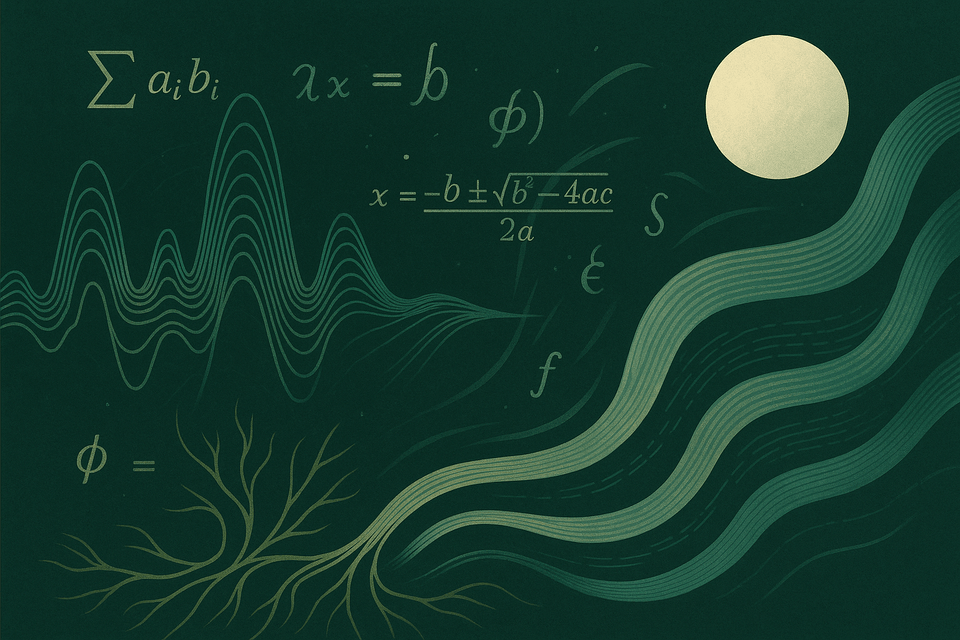
A behind-the-scenes tour of Valeon’s new audio and math pipeline—OpenAI TTS, MathJax + Speech Rule Engine, and MFA-powered word-level highlighting—focused on making reading and listening feel more like a living companion than a static archive.

Time changes value, and every choice carries a “compared to what?”—a lens that links the time value of money, opportunity cost, and discount rates to real decisions in life and business.
