Posts by Sayed Hamid Fatimi

I’m Sayed Hamid Fatimi, a software developer by craft, a philosopher by calling, and a lifelong student of truth. With roots in physics and a love for clean, expressive code, I build in JavaScript, TypeScript, React, and Next.js—tools that let ideas take shape in the digital world. Beyond the syntax and structure lies a deeper pursuit. I write to explore the foundations of thought, reason, and reality. My books, The Philosophy of Reason and The Philosophy of Truth, are part of an ongoing journey—an attempt to weave clarity from complexity, and meaning from mystery. This space is where code meets contemplation. You’re welcome to walk the path with me at valeon.blog.

Cover artwork (cover.png) for the article titled Reflections on Humility.

Reflections on Humility

A reflection on the tension between humility and hidden power—this piece explores the quiet strength of being underestimated, the dangers of overconfidence, and the subtle warfare of perception in a world that mistakes silence for weakness.

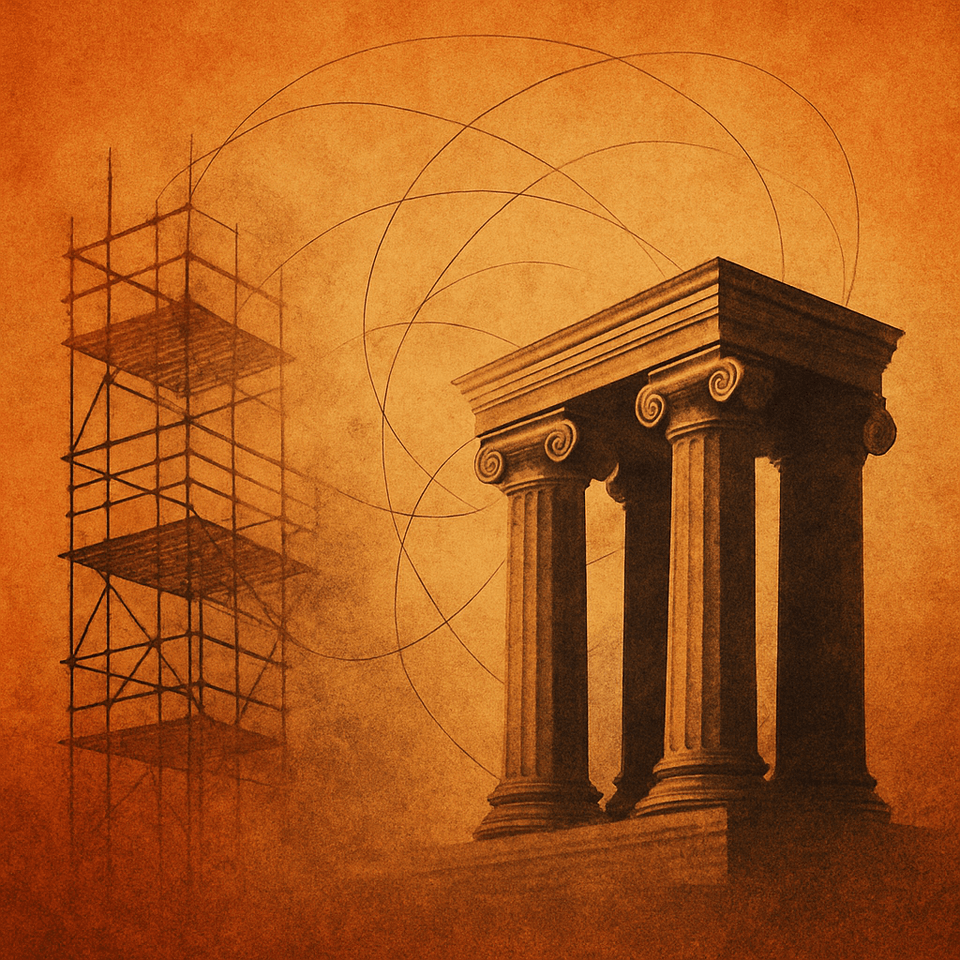
Cover artwork (cover.png) for the article titled The Velvet Claw: Toward a Post-Institutional Meritocracy.

The Velvet Claw: Toward a Post-Institutional Meritocracy

The claw of power may never vanish. But if wrapped in velvet—wielded with wisdom, chosen with care—it may no longer wound, but shape. A better world doesn’t begin by abolishing power, but by reimagining who deserves to hold it—and why.

Cover artwork (cover.png) for the article titled Where the Masks Slip: On Solitude, Autism, and the Discomfort of Discrepancy.

Where the Masks Slip: On Solitude, Autism, and the Discomfort of Discrepancy

In a world that rewards contradiction and curated personas, those of us who seek coherence between thought, word, and action often find ourselves alone. This reflection explores the tension between autism, honesty, and the quiet refuge of solitude—where truth is not just valued, but necessary for peace.

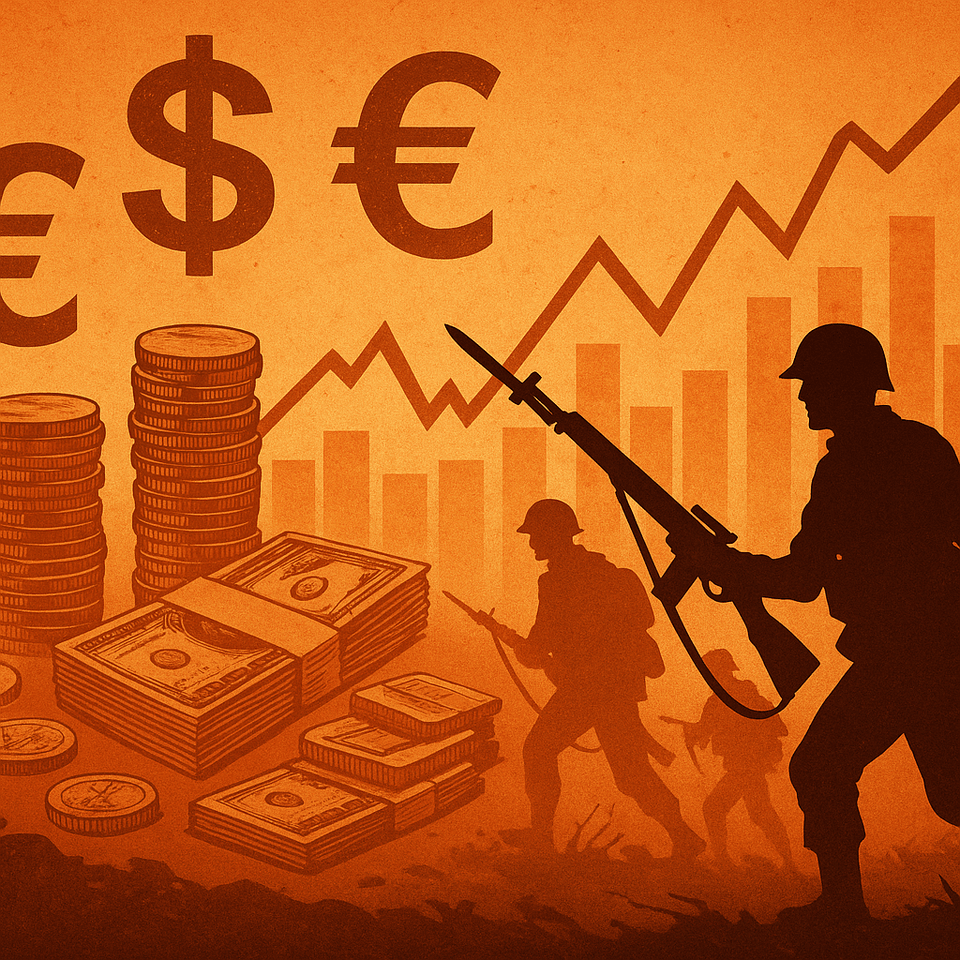
Cover artwork (cover.png) for the article titled Debt Before Value: The Double-Edged Sword of Creation Through Credit.

Debt Before Value: The Double-Edged Sword of Creation Through Credit

Debt can be the spark that ignites creation—or the accelerant that fuels collapse. In its best form, it precedes value. In its worst, it replaces it.

Cover artwork (cover.png) for the article titled The Next Frontier: Why Generational Wealth Will Be Forged in Africa.

The Next Frontier: Why Generational Wealth Will Be Forged in Africa

Africa is not the next frontier — it’s the current one. As global power shifts and traditional markets plateau, the key to generational wealth lies in Africa’s untapped potential. From logistics and agriculture to mineral extraction and industrial production, the continent is poised to become the core of a new global economy.

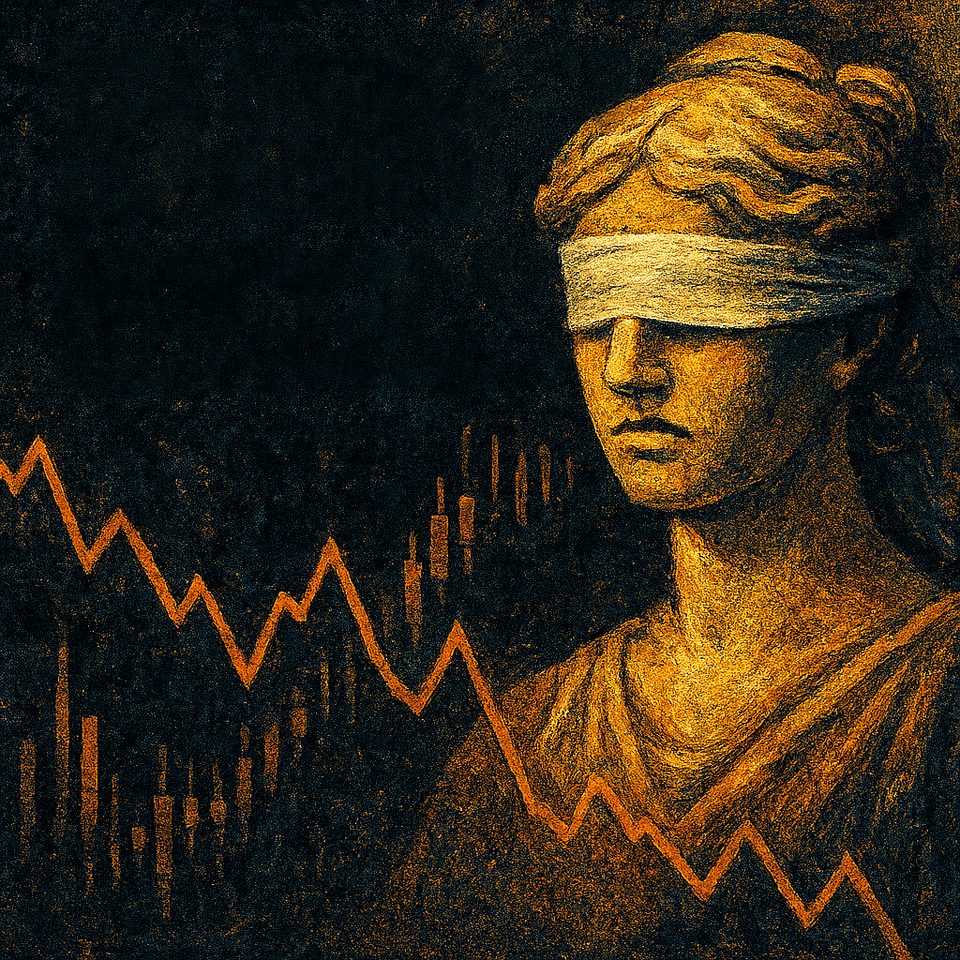
Cover artwork (cover.png) for the article titled When Integrity is Optional, So is Loyalty.

When Integrity is Optional, So is Loyalty

True integrity isn’t proven when it’s easy to uphold—it’s revealed when betrayal is the faster path to gain. And when someone takes that path, only to turn back once they’ve failed, what they feel isn’t remorse—it’s regret for being caught too soon.

Cover artwork (cover.png) for the article titled The Prison of Choice: Why Freedom Overwhelms Us.

The Prison of Choice: Why Freedom Overwhelms Us

Too many choices can feel like freedom—but often, they become a hidden burden. In a world of endless possibilities, we find ourselves overwhelmed, paralyzed, and longing for direction. This essay explores how the abundance of choice can imprison us, and why true liberation may lie in commitment, not in endless options.

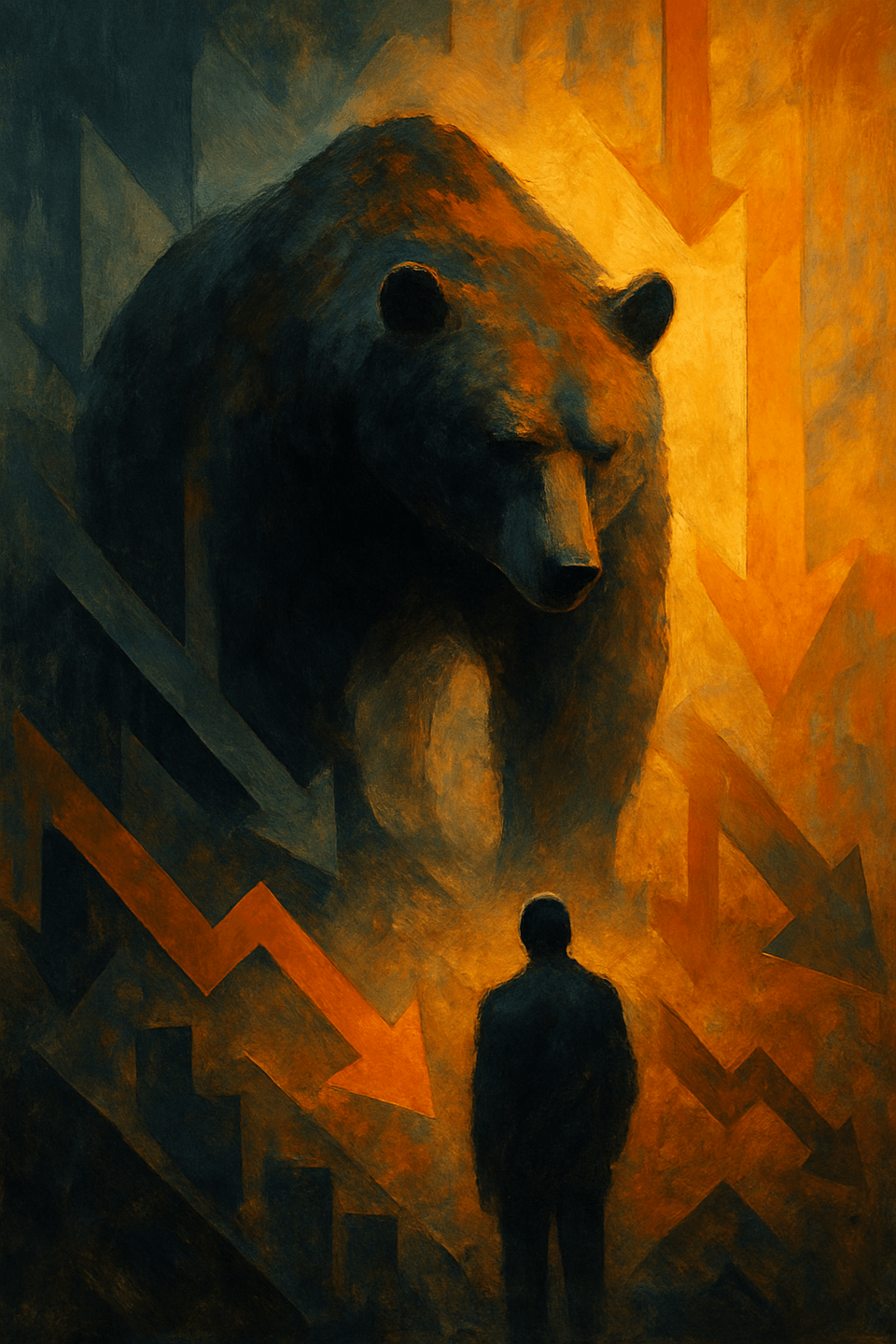
Cover artwork (cover.png) for the article titled Why Most Must Lose: The Market and the Pareto Trap.

Why Most Must Lose: The Market and the Pareto Trap

Most traders enter the market chasing fairness and opportunity—but beneath the surface lies a harsh statistical truth: the structure itself demands imbalance. This blog post explores how the Pareto Principle shapes market outcomes, revealing why consistent winners are few, and why most must inevitably lose.

Cover artwork (cover.png) for the article titled The Silent Chorus: Fields of Thought and the Hive of Minds.

The Silent Chorus: Fields of Thought and the Hive of Minds

What if thought isn’t confined to the mind, but part of a shared field—an invisible hive of human consciousness? This post explores the idea that our beliefs, emotions, and even silences ripple through a collective mindspace, shaping not only ourselves but the world we co-create.

Yin-yang symbol with one half dark and labeled “Chaos,” the other half glowing orange and labeled “Order,” under the title “The Universal Dichotomies,” representing the balance between cosmic disorder and human order.

The Universal Dichotomies: How Chaos Gives Birth to Order

In this post, we explore the fascinating interplay between chaos and order, showing how the conservation of information, entropy, and the rise of complexity shape both the universe and human consciousness — revealing what I call the Universal Dichotomies.

© 2025 Valeon. All rights reserved.