The Habitual Nature of Man
Habit isn’t a productivity hack but the architecture of consciousness: repetition delegates will to reflex, shaping identity. The aim is “conscious automatism”—habits that serve understanding.
Perception, ego, healing and practice — what the mind notices, denies and can transform.
Page 3 of 5
RSS feedHabit isn’t a productivity hack but the architecture of consciousness: repetition delegates will to reflex, shaping identity. The aim is “conscious automatism”—habits that serve understanding.

Markets, like minds, move not only on facts but on expectations. The self-fulfilling prophecy shows how shared beliefs turn into order flow, liquidity events, and ultimately the prices that seem to “confirm” those beliefs.

Responsibility is not a cage but a frame: the weight we consciously choose to carry shapes character, gives freedom direction, and turns endurance into purpose.

A critical comparison of Descartes’ rational foundationalism and Jung’s depth psychology—with Anthony Gottlieb’s skepticism as counterpoint—arguing for an integrated practice of self-knowledge that reunites clarity and depth.

Intention is the unseen vector of action. This essay explores how motive shapes judgment, why outcomes alone mislead, and the daily practices—proportion, transparency, consent, and repair—that make good intent legible.
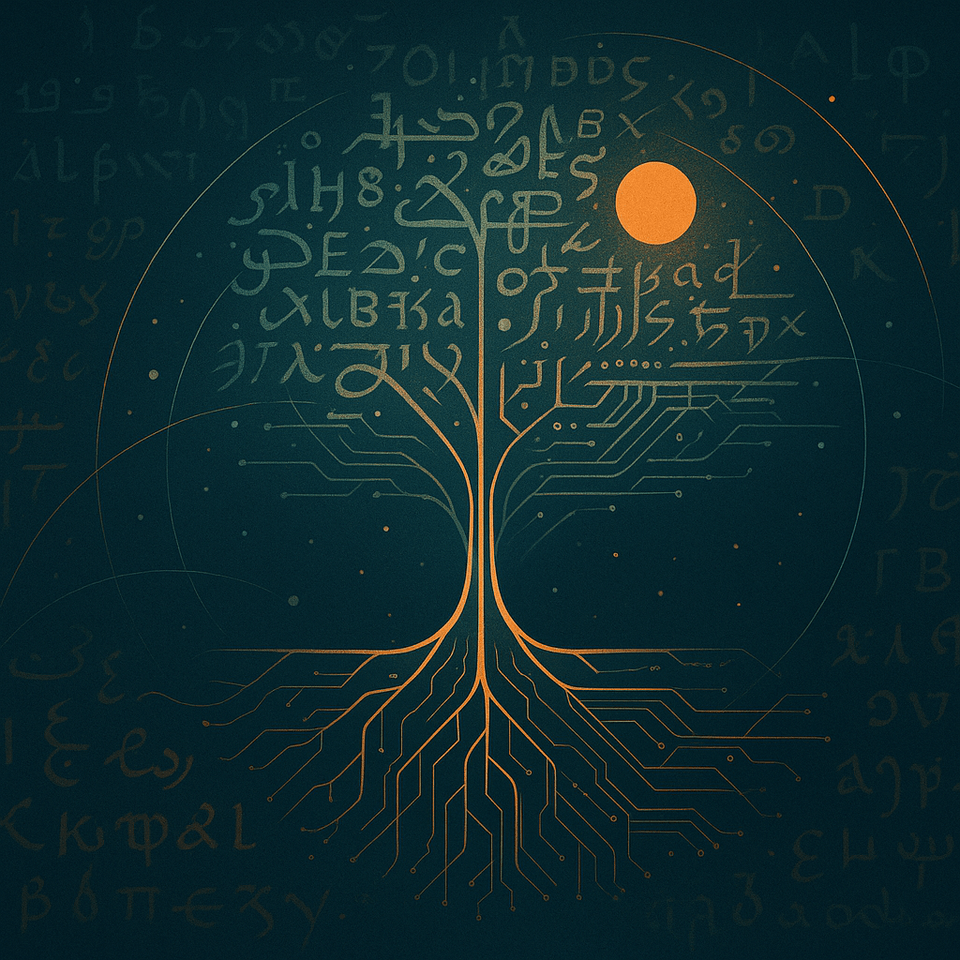
Language is not a fixed code but a living archive—shaped by etymology, environment, and attention—through which perception evolves and the world is made speakable.

Perception is not raw reality but a construction shaped by biology, memory, and belief. From the science of color to the mysteries of synesthesia, this essay explores how our worldview frames what we see, hear, and know.

Beneath every grand theory lies a quiet lattice of first principles and lemmas. This essay explores the bedrock and bridges of reasoning—and why inhabiting a school’s foundations matters more than memorising its slogans.

We build our worlds on belief—often reinforced by the echo of others—until illusion collapses and demands the harder work of integrity, repair, and renewal. This essay traces the arc from chorus to shattering to redemption.

“Letting go” has become the modern mantra. Yet if we relinquish all we desire, what remains to root a life? This piece argues for open-handed love—attachment, protection, loyalty—and the chosen weight of responsibility: showing up for one another, guiding and growing together. Is this not what life is about?
