The Logistics of Civilisation
A meditation on how water, trade routes, and the physics of movement shaped where cities formed—and how the human body itself quietly authored the logic of streets, corridors, and built space.
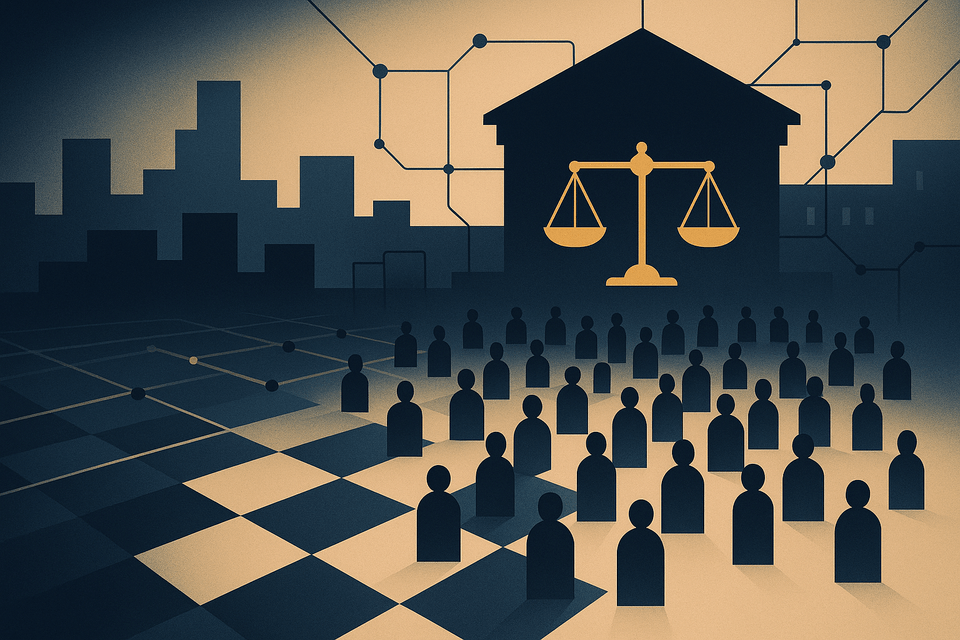
Institutions, politics, law and collective behaviour — who sets the rules and how they govern us.
Page 1 of 3
RSS feed
A meditation on how water, trade routes, and the physics of movement shaped where cities formed—and how the human body itself quietly authored the logic of streets, corridors, and built space.

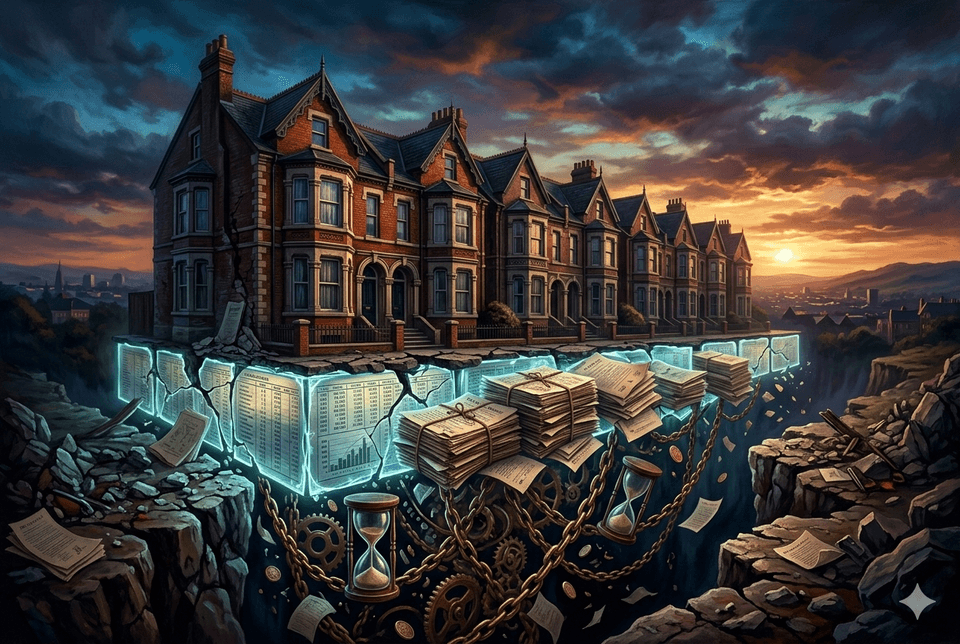
Modern businesses don’t just sell products—they build systems. From cross-subsidy and loss leaders to subscriptions like Prime, profitability is increasingly engineered across an ecosystem, over time, by shaping habit and default choice.

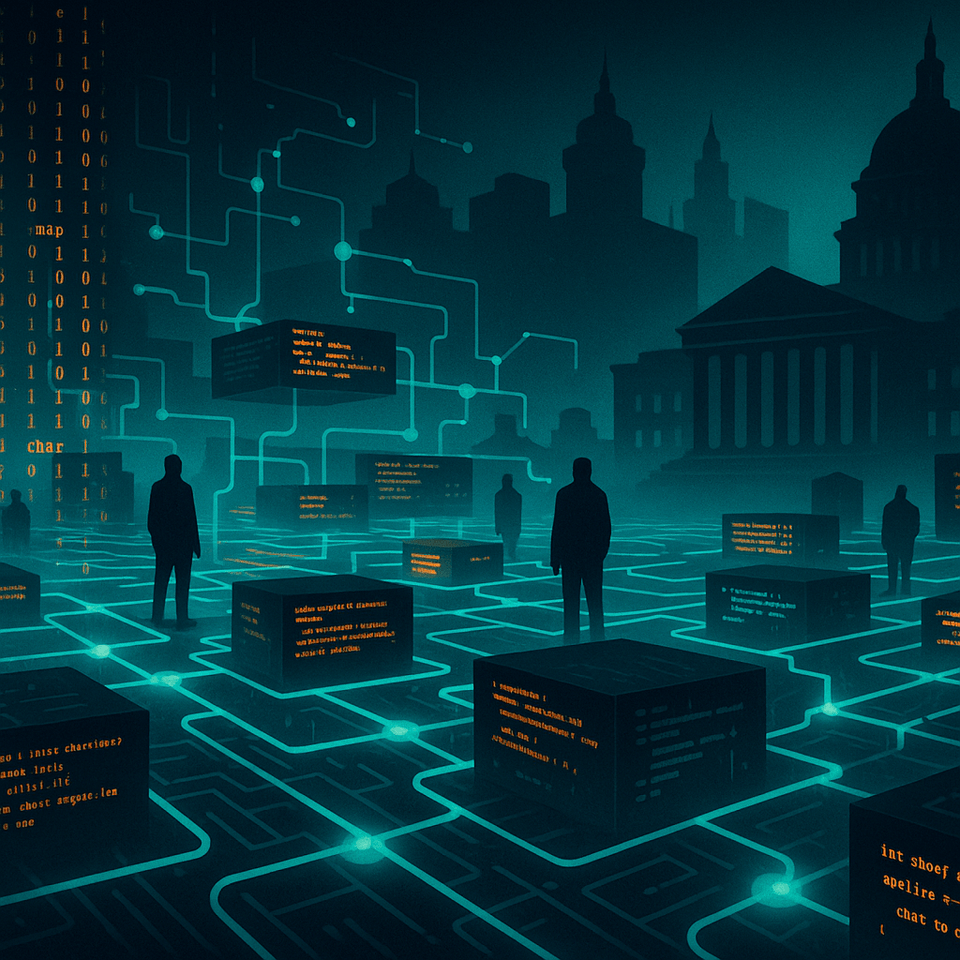
An exploration of how hacking and exploit markets serve not only criminals but also governments, intelligence institutions, and security companies that quietly purchase and weaponise systemic insecurity.

Reflections from late-evening delivery rounds on how the gap between how life looks and how it feels reveals a deeper discrepancy between the ideal order of reality and the lived weight of experience.

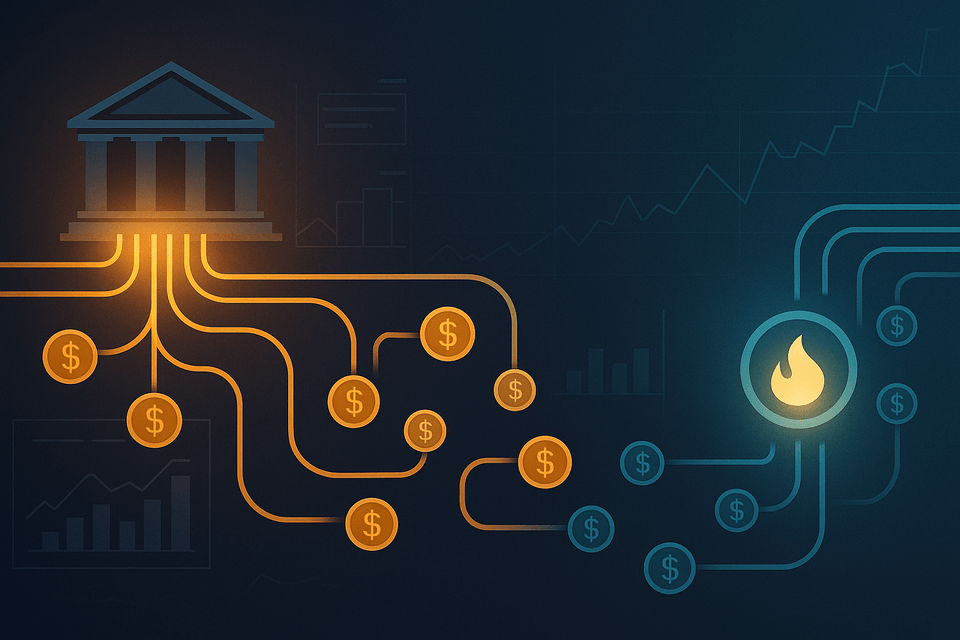
Exploring how quantitative easing and tightening reshape the dollar’s balance-sheet architecture, and how taxation functions as a burn mechanism within a fiat token system.

In a post–gold standard world, the US dollar behaves less like a claim on scarce metal and more like a state-issued token—making taxes less about “funding” government and more about burning tokens to manage inflation and anchor demand for the currency.

A meditation on the cyclical rhythm of history—how moments like 1918, 1920, and 1929 reveal repeating human patterns of crisis, forgetting, and consequence, and what it would mean to truly learn from them.

A practical lens (T5) for seeing the transactional rails beneath modern life—Asset, Price, Ledger, Protocol, Power—and for designing humane counters: thick consent, commons-first systems, and dignity-preserving friction where it matters.

We keep rewarding spectacle over stewardship. This essay maps the incentives and patterns that elevate counterfeit leaders—and offers practical tests and design fixes citizens can use to prefer accountability, integrity, and long-horizon governance.

The Overton Window isn’t a fixed pane but a living frame that shapes what a society can see, say, and imagine. Tracing its shifts reveals our collective identity—and our responsibility within it.