
The Rhythm of History
A meditation on the cyclical rhythm of history—how moments like 1918, 1920, and 1929 reveal repeating human patterns of crisis, forgetting, and consequence, and what it would mean to truly learn from them.
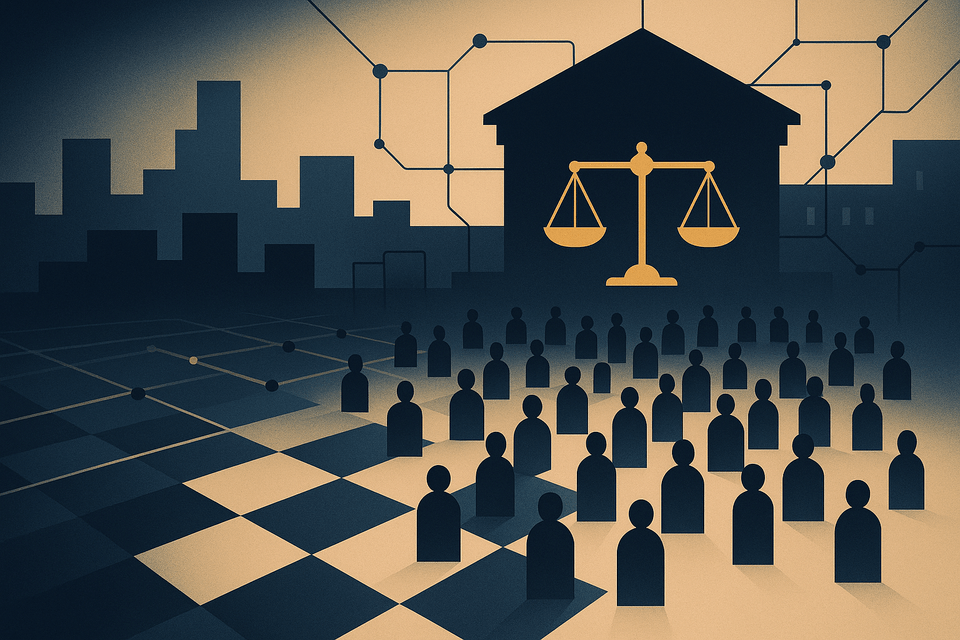
Institutions, politics, law and collective behaviour — who sets the rules and how they govern us.
Page 2 of 3
RSS feedA meditation on the cyclical rhythm of history—how moments like 1918, 1920, and 1929 reveal repeating human patterns of crisis, forgetting, and consequence, and what it would mean to truly learn from them.

A practical lens (T5) for seeing the transactional rails beneath modern life—Asset, Price, Ledger, Protocol, Power—and for designing humane counters: thick consent, commons-first systems, and dignity-preserving friction where it matters.
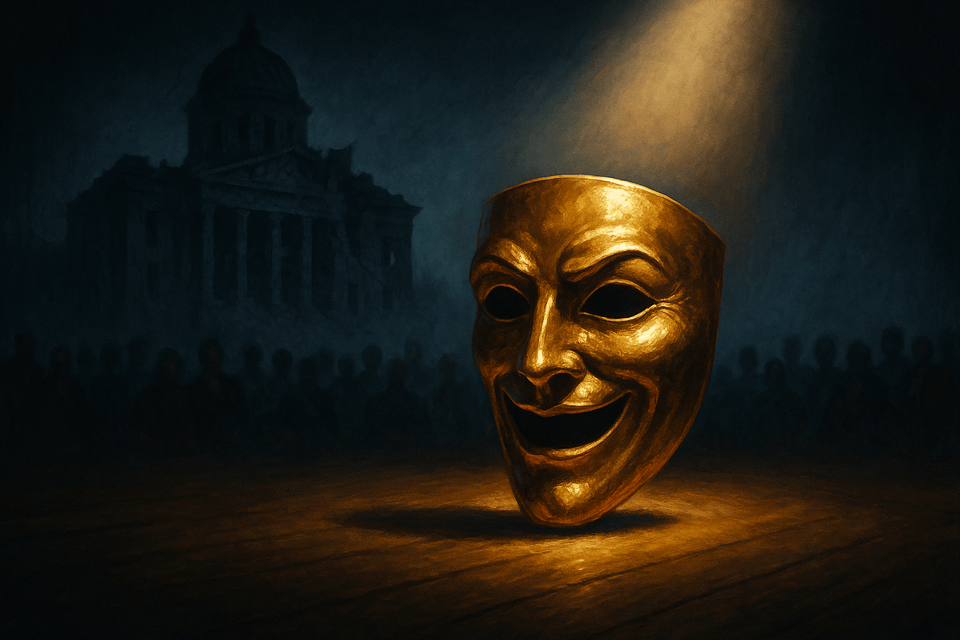
We keep rewarding spectacle over stewardship. This essay maps the incentives and patterns that elevate counterfeit leaders—and offers practical tests and design fixes citizens can use to prefer accountability, integrity, and long-horizon governance.

The Overton Window isn’t a fixed pane but a living frame that shapes what a society can see, say, and imagine. Tracing its shifts reveals our collective identity—and our responsibility within it.

From Google Maps rerouting entire towns to Amazon Flex unlocking apartment doors, corporations are reshaping our infrastructure and routines—quietly trading our privacy for convenience.

Ownership is more than paperwork. This proposal maps land titles to NFTs so the blockchain becomes the registry itself—legally recognized, programmable, and auditable—uniting code and courts for faster settlement, stronger proofs, and privacy-preserving compliance in the UK/EU.
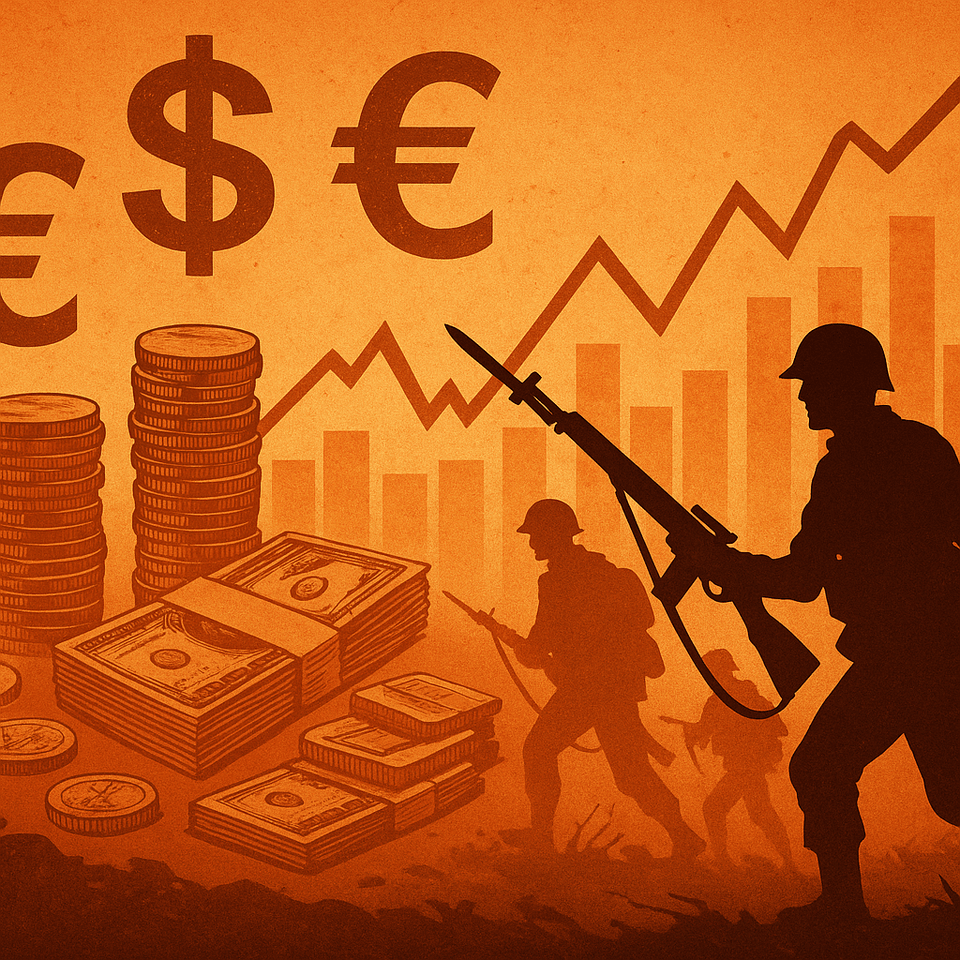
Wars are not only fought on battlefields but in balance sheets. From Lockheed Martin’s rising stock to British Gas’s soaring profits and offshore billions siphoned by corrupt aides, conflict becomes the perfect laundromat—where fear, scarcity, and blood are spun into profit. This essay exposes how war launders money, legitimacy, and power in plain sight.

How many trees make a forest? This essay explores the blurred lines between subjectivity and objectivity, the relativity of perception, and the thresholds created by language. From forests to fairness, poverty to truth, we uncover how meaning emerges not in absolutes, but in the gradients and relationships that shape our shared reality.
Prices can change in seconds, but consequences can take decades to arrive. The secondary market effect and arbitrage reveal why — and how short-term gains often mask long-term costs. From high-frequency trading to global politics, understanding these concepts helps us see beyond the present into the slow, unfolding arc of cause and consequence.
When healing becomes a liability and prevention is unprofitable, what we call “healthcare” becomes something else entirely—a weapon of economic control. This piece explores the true cost of privatised medicine and why public healthcare is not just a policy, but a moral imperative.
